
Your Home Defense Rifle at 3 AM
You wake up to a sound you can't immediately explain.
Maybe it's nothing. The house settling, the dog, your neighbor's car. You lie there for a second doing that very human mental calculus — is this worth getting up for? — and then you decide it is.
So you get up. Your heart is already running a little faster than usual. The room is dark. Your fine motor skills, which are already crap since you’re barely awake, are starting their adrenaline-induced exit. You go to your home defense rifle.
Now here's the question: is it actually ready?
Not "does it have ammunition in the magazine" ready, because it should. If it doesn’t, you’re wrong. I mean, is it actually ready? Because there are more ways a rifle can fail you at 3 AM than most people spend time thinking about — and almost none of them involve the gun itself.
The Room Is Darker Than You Think
Humans are bad at estimating how much darkness affects their performance. You've probably done your home defense rifle setup in reasonable light, maybe even practiced your draw and presentation with the lights on or a lamp going. That's not what 3 AM looks like.
At 3 AM, a bedroom that feels familiar in the daytime is a collection of silhouettes. The spots where you've set things — including your rifle — are navigated from memory. If your setup requires you to see clearly to execute, it's going to fight you when you need it most.
This means staging matters enormously. Your rifle should be accessible without searching. Not within reach, not "over there near the dresser" but accessible in the sense that you could retrieve it without turning on a light, without hesitation, without knocking three things off a shelf to get there. The muscle-memory path from bed to rifle needs to be so well-established that adrenaline can't interrupt it.
If you haven't walked that path in the dark recently, walk it tonight. You may find you've been quietly kidding yourself.
The Chamber Question
Unloaded home defense rifles are a topic that generates real disagreement among people who know what they're talking about, so the goal here isn't to tell you what's right for your household. What is worth saying: you need to have made a deliberate decision, not a default one.
A rifle stored with an empty chamber requires an additional step under stress, in the dark, with degraded fine motor control. A rifle stored with a loaded chamber requires you to have honestly assessed your storage situation — who else is in the home, how secure the rifle is, and what the risk profile looks like.
Neither answer is automatically correct. But "I haven't really thought about it" is a problem worth solving before you need the rifle, not during.
Whatever you've decided, practice it. The manipulation — whether that's a chamber check or a rack — needs to happen without thought at 3 AM, because deliberate thought is going to be in short supply.
Safeties, Controls, and Things You'll Fumble
Gross motor skills survive stress better than fine motor skills. This isn't an opinion; it's how human physiology works under an adrenaline response. Tasks that require small, precise finger movements become unreliable when your body is treating the situation as an emergency.
Run through your controls with that in mind. Where is your safety, and how do you disengage it? Is that motion large and natural, or small and fiddly? Does your trigger finger stay indexed where it should? Where do your hands go naturally when you're startled, and does that natural position put them somewhere useful on the rifle?
You don't need to answer these questions in the abstract. You need to have answered them through repetition, specifically repetition in conditions that approximate stress — low light, elevated heart rate, unfamiliar footing. Dry fire in the dark is not a substitute for training, but it's a significantly better substitute than nothing.
Your Optic Is Probably Dead
Here's the one that gets people.
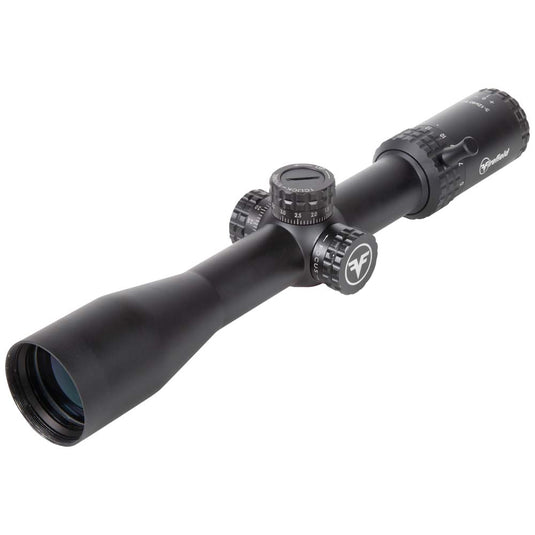
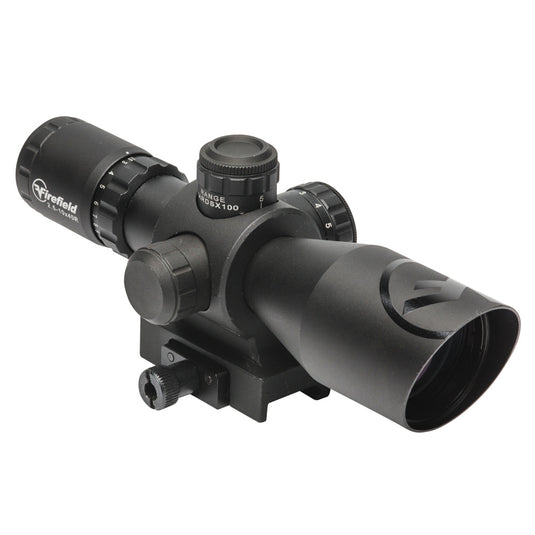
You've got a red dot on your home defense rifle. Maybe it's been there for a year. You zeroed it, you like it, it works great at the range. And the last time you turned it on was... actually, you're not sure. You leave it on sometimes and you turn it off sometimes and you've basically been managing it the way you manage your car's gas tank — by keeping a vague awareness of where it probably is until suddenly it isn't where you thought.
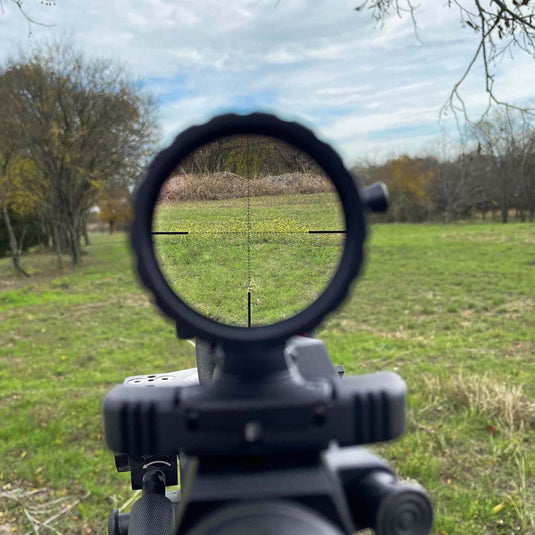
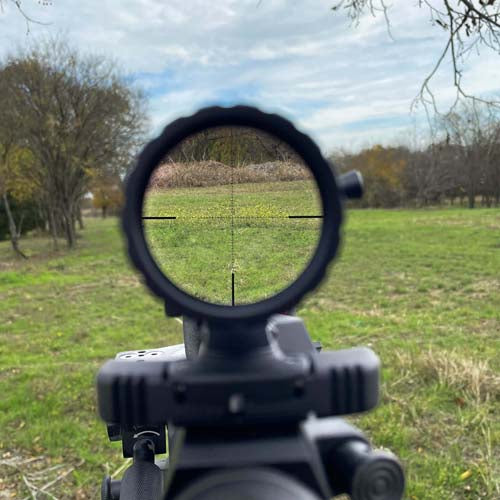
At 3 AM, you raise the rifle and look through a dark tube.
This is a genuinely common failure mode, and it's irritating because it's so avoidable. Red dot battery management requires either discipline (always on, replace on a schedule; always off, never forget to turn it on) or a better system.
The better system is shake awake.
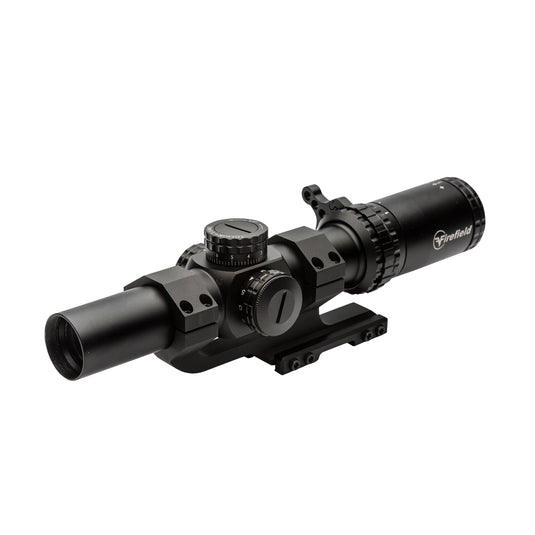
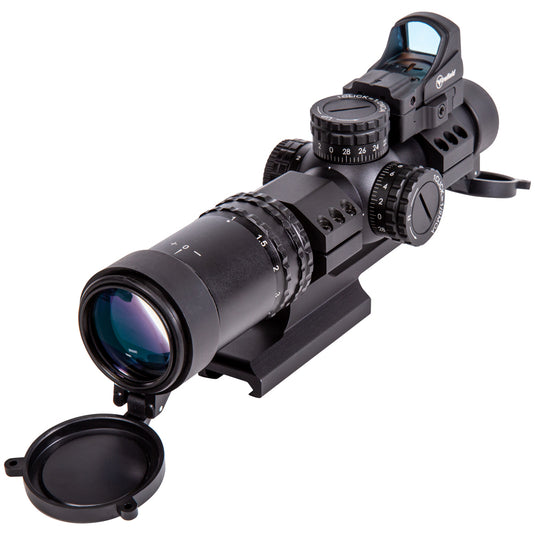
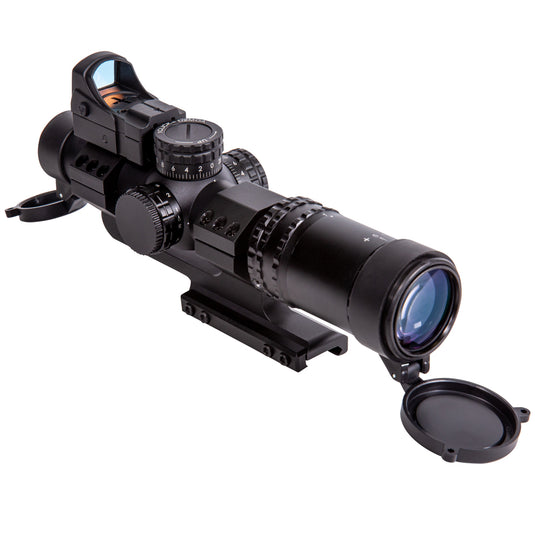
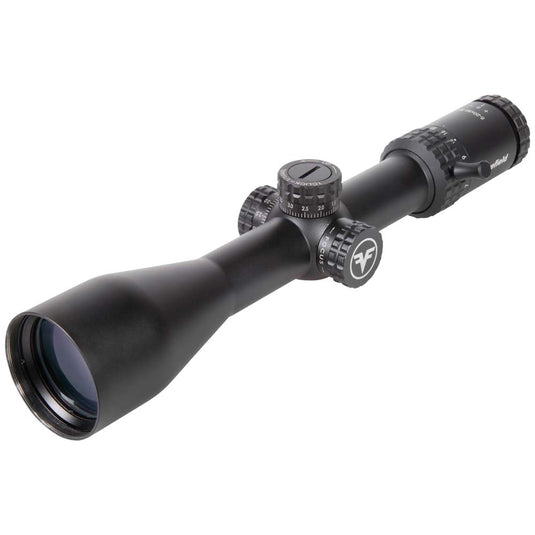
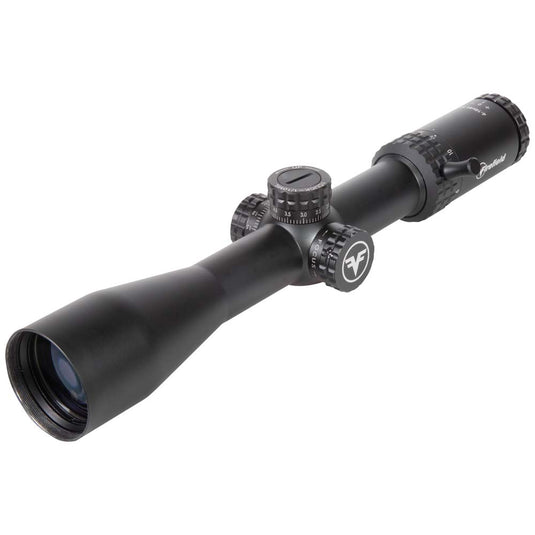
The Firefield RapidStrike Red Dot uses an internal accelerometer to detect motion. Pick up the rifle, and the dot activates. Set it down for 15 minutes, and it goes to sleep again. You set your brightness once and leave the optic alone — it manages itself from there.
The activation is instant. Not fast enough, not pretty quick — instant. Your eye reaches the optic and the reticle is there.
Running on a single CR2032 with an 80,000-hour battery life on low, the RapidStrike is built around the reality that most home defense rifles sit staged for months between range visits. Shake awake isn't a gimmick on this optic; it's the whole point. You are not going to be performing a battery status check at 3 AM. The RapidStrike accounts for that.
The rest of the package holds up too: IP67-rated waterproofing, nitrogen purging against fog, multi-coated lenses for light transmission in low-visibility conditions, and construction rated to survive 12-gauge recoil. It mounts on the Aimpoint T2 footprint. Clear flip-up lens caps protect the glass without adding bulk to your profile.
At its price point, it's the only home defense red dot upgrade that will make you genuinely angry you waited.
Light and Positive Target Identification
This one is non-negotiable, and it sits outside the scope of any optic recommendation: you need a way to identify what you're pointing at before you fire.
A mounted weapon light, a handheld light, a fixture you can hit without crossing in front of the muzzle — some way to confirm the target. This is not about tactics. It's about the basic legal and moral obligation that comes with using lethal force. You cannot rely on ambient light, night vision adapted eyes, or the assumption that anything moving in your house at 3 AM is a threat. You need a light source you can control.
If your home defense rifle doesn't have this sorted, it's the first thing to address. Before the optic, before the trigger, before anything else.
The Honest Audit
Most home defense rifle setups are built gradually — you added the optic when you had the budget, moved the rifle to a different spot when the household changed, haven't revisited the whole picture as a system since you first set it up.
The 3 AM scenario is a useful forcing function. Work through it deliberately, in the dark, at a realistic pace, and see where it falls apart. Note the things your hands couldn't find. Note the steps that required thought. Note whether your optic came up ready.
Then fix what broke. The rifle doesn't have to be perfect, but it has to work, specifically when you're scared, in the dark, and running on about four seconds of decision time.
That's what home defense actually looks like. Might as well be ready for it.
Frequently Asked Questions
What is the biggest failure point in a home defense rifle setup?
The most common failure isn’t the rifle itself but the setup around it—especially optics, staging, and user readiness. A dead red dot, poor placement, or controls that are hard to operate under stress can all cause problems at the worst possible moment.
Should a home defense rifle be stored with a round in the chamber?
There is no universal answer. A loaded chamber reduces the steps required under stress, while an empty chamber adds a layer of safety depending on the household. The key is making a deliberate choice and practicing that setup until it becomes automatic.
How should I stage my rifle for home defense?
Your rifle should be accessible without needing light or conscious thought. You should be able to retrieve it in the dark without searching, fumbling, or moving other objects. Muscle memory matters more than convenience.
Why is a weapon light necessary for home defense?
A light is essential for identifying your target before firing. You cannot rely on shadows, movement, or assumptions in low light. Positive identification is both a legal and moral requirement, and a controllable light source is the only reliable way to achieve it.
What features should a home defense optic have?
A good home defense optic should be immediately ready when you pick up the rifle. Features like motion activation (shake awake), long battery life, and simple controls help ensure the optic works without requiring thought or adjustment in a high-stress situation.