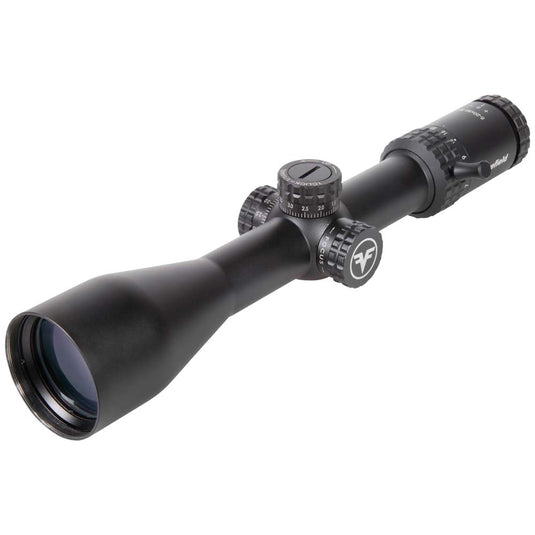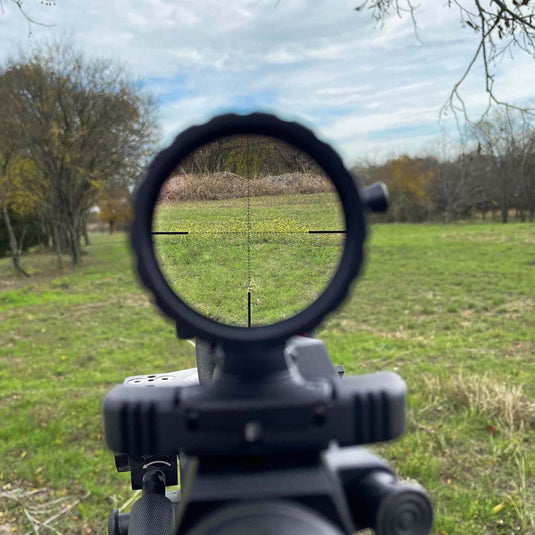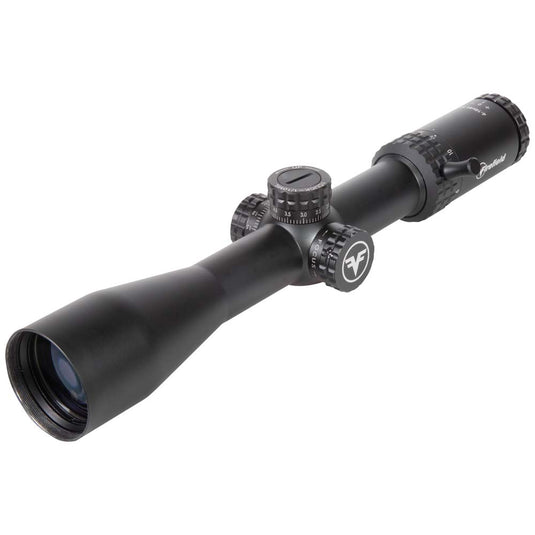

What Is the Point of a Spotting Scope?
Plenty of folks type this exact question into Google, and the answer is more straightforward than most people expect. A spotting scope lets you see farther, see clearer, and pick apart details at a distance that binoculars simply can’t reach. Whether you’re shooting at the range, glassing for deer, or watching wildlife from across a valley, a spotting scope exists to give you long-range clarity without hauling around a full astronomical telescope.
A good spotting scope turns distant shapes into real information. You can see hits on paper, watch wind patterns, judge antler points, or study a bird without scaring it off. That’s the entire point: detail at distance, delivered in a compact package.
What a Spotting Scope Actually Does
At its core, a spotting scope is a high-magnification optical tool built for one job—long-range observation. It uses a more powerful eyepiece than binoculars and funnels light through a larger objective lens to keep the image bright at higher magnifications.
Instead of two eyepieces, you get one, which keeps the design simple and focused. The tradeoff is a narrower field of view, but the payoff is huge: magnification strong enough to read your bullet holes, count feathers on a bird, or glass game across a canyon.
Firefield Spotting Scopes in the Real World
Firefield offers spotting scopes built for the kind of practical, everyday use that most shooters and hunters actually deal with.
The Firefield 20x50 Spotting Scope is a compact fixed-power model that fits easily into a range bag. It’s built for shooters who want a no-nonsense tool for checking groups without sprinting downrange after every string.
The Firefield 20–60x60SE Spotting Scope Kit gives you the long-range advantage hunters and precision shooters look for. The 60mm objective pulls in enough light for early and late-day glassing, and the 20–60x zoom lets you move from a broad scan to a detailed view with a twist of the eyepiece.
The Firefield 12–36x50SE Spotting Scope Kit strikes a middle ground. It’s lighter and easier to pack than the larger 60mm model, but still gives you a wide zoom range for everything from checking targets to hillside glassing. It’s the kind of tool you don’t think about until you need it—then you’re glad it’s there.
Spotting Scopes at the Range
This is where a spotting scope earns its keep. When you’re shooting at 100 yards or beyond, binoculars struggle to give you the crisp resolution you need to actually see individual shots. A spotting scope shows bullet holes, impacts on steel, mirage, and wind shifts in a way that keeps your shooting honest.
If you’re shooting with a buddy, one person can call shots while the other pulls the trigger. Spotting scopes let you stay on the rifle and keep a rhythm going without wasting time walking back and forth or relying on guesswork. They also help you read the air—mirage patterns, heat waves, and wind changes become easier to spot when you’ve got the magnification to see them.
Spotting Scopes for Hunting
Hunters use spotting scopes to save time and energy. Instead of hiking into every basin or ridgeline to see what’s moving, you glass from a distance and make smarter decisions. A spotting scope helps you judge antler points, identify species, and track movement without blowing stalks or burning daylight.
A zoom model like the 20–60x60SE thrives here. Low power helps you scan terrain, and high power lets you lock onto specific details. When the light starts to fade and animals start moving, the larger objective lens pays off with a brighter image.
Wildlife Watching and Outdoor Observation
Even if you never touch a rifle, a spotting scope is one of the best tools for distance-based observation. Birders use them to study plumage and behavior. Hikers use them to glass distant ridges or spot animals that binoculars can’t quite resolve. Anyone who likes watching wildlife benefits from the reach of a spotting scope.
For these activities, the lighter 12–36x50SE kit hits a sweet spot. You get the magnification to study distant subjects without carrying a massive piece of glass on your back.
Long-Range Shooting and Precision Work
When you step into long-range shooting, a spotting scope stops being optional. Precision shooters depend on spotters to read trace, call corrections, and evaluate environmental effects. A rifle scope might show you the target, but a spotting scope shows you the information around it—the air, the movement, the splash of a missed shot.
The ability to jump from moderate to high magnification gives you control over how you interpret the shot. You can follow the bullet’s vapor trail, watch for dust impacts, and make adjustments quickly.
Choosing the Right Spotting Scope
Picking a spotting scope comes down to what you actually plan to do with it.
If you want a light, grab-and-go scope for range use, the 20x50 is a solid fit.
If you need versatility or plan to hunt, the 20–60x60SE brings in more light and stretch.
If you want something portable that still offers strong magnification, the 12–36x50SE bridges the gap.
Think about magnification, objective size, weight, and whether you prefer a full kit with tripod and case. Each Firefield model leans toward a different kind of user, but all deliver the long-range clarity spotting scopes are built for.
Final Thoughts
The point of a spotting scope is plain: you need to see something far away with enough detail to make decisions that matter. That applies whether you’re shooting at 100 yards, scouting for deer, or watching wildlife across a valley. A spotting scope is the tool that gives you the reach and clarity to do it right.
Frequently Asked Questions
What is a spotting scope used for?
A spotting scope is built for long-range observation. It gives you more magnification and clarity than binoculars, letting you see bullet holes, judge antler points, watch wildlife, and study details at distances where binoculars fall short.
How is a spotting scope different from binoculars?
A spotting scope uses a single, high-power eyepiece and a larger objective lens to deliver greater magnification and detail. The tradeoff is a narrower field of view, but you gain far more reach and resolution.
Which Firefield spotting scope is best for range use?
The Firefield 20x50 is the most convenient for casual range work. It fits in a range bag, offers fixed 20x magnification, and makes it easy to see shot placement without walking downrange.
What spotting scope is best for hunting?
Hunters typically prefer the Firefield 20–60x60SE because its 60mm objective gathers more light during early and late hours, and the 20–60x zoom range lets you scan terrain or inspect fine details.
Is a spotting scope useful for wildlife viewing?
Yes. A spotting scope gives you the magnification needed to study distant birds, animals, and landscape features without carrying heavy astronomy-style equipment. The 12–36x50SE is ideal for hiking and general wildlife observation.