
Red Dot vs. LPVO for the AR-15: Which Optic is Right for You?
If you own an AR-15, you have probably argued with yourself at two in the morning while scrolling through optics on your phone, trying to decide between a red dot and an LPVO. Both are excellent choices, and plenty of experienced shooters swear by each one, so instead of telling you which optic to buy, we are going to walk through what each one does well, where it falls short, and which situations call for which setup.
Red Dot Sights: Simple, Fast, and Forgiving
A red dot sight shows you a single glowing dot sitting on top of your target, with no magnification at all. Since the dot stays the same size no matter how far away your target is, you just place it where you want the bullet to go and pull the trigger. That simplicity is exactly what makes red dots so fast in close quarters, whether you are clearing a room, running a drill, or reacting to a target that pops up without warning.
Because a red dot does not bend light through a magnified lens system, it works with both eyes open and gives you a wide field of view, so you can track a moving target or spot a second threat without losing your sight picture. This same lack of magnification also makes red dots the natural partner for night vision devices, since you are not fighting a scope's internal optics while also looking through a tube strapped to your face. If you run NODs, a red dot is pretty much the industry standard pairing. Of course, not everyone can afford NODs in this economy, so most of us will keep pairing our red dots with something a little more affordable, like a flashlight and good intentions.
Pros of a red dot:
- Lightning fast target acquisition, especially up close
- Lightweight and simple, with fewer things that can go wrong
- Wide field of view for tracking movement
- Generally easier on your wallet than a comparable LPVO
- Forgiving of imperfect head position, since you do not need a precise cheek weld to see the dot
Cons of a red dot:
- No magnification, which makes positive identification and precise shot placement harder past 100 to 150 yards
- Less useful if your rifle needs to reach out to longer distances
LPVOs: One Scope, Two Jobs
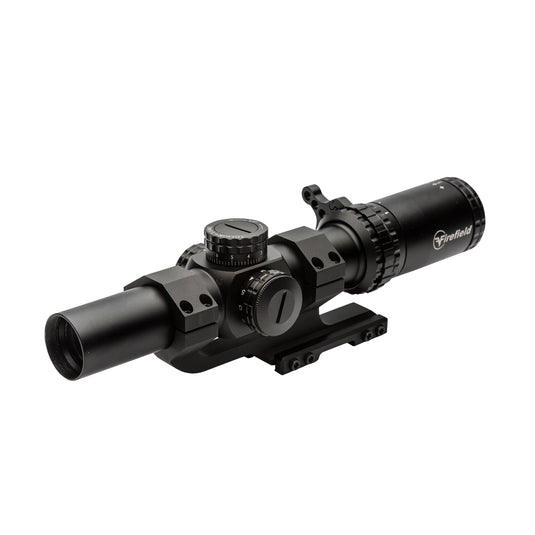
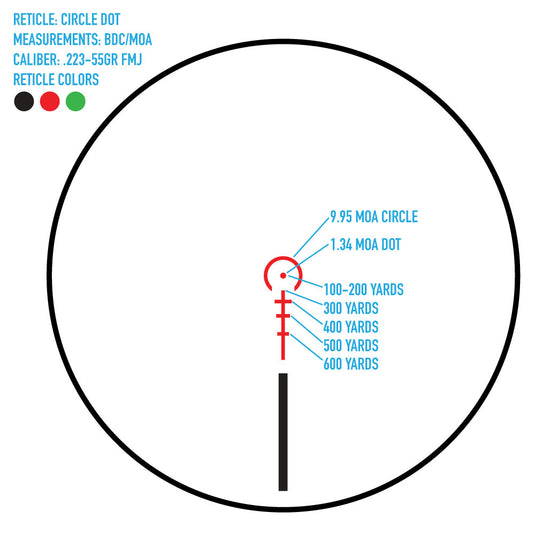
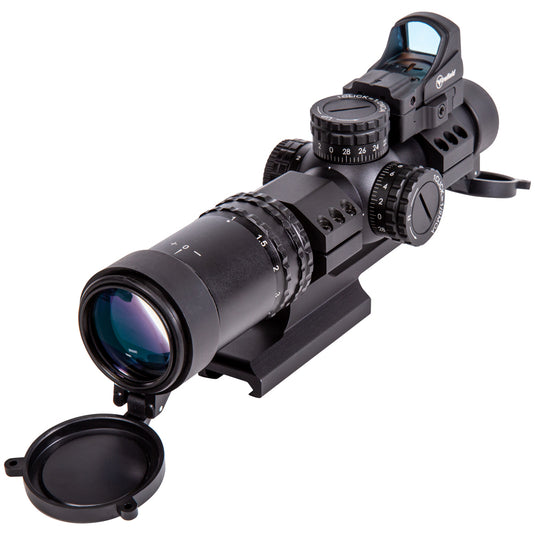
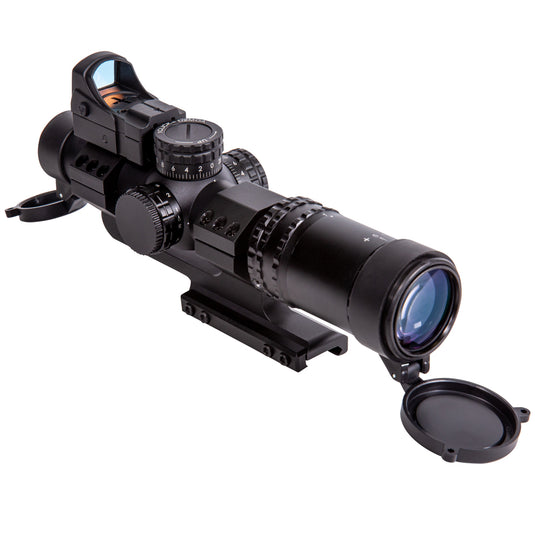
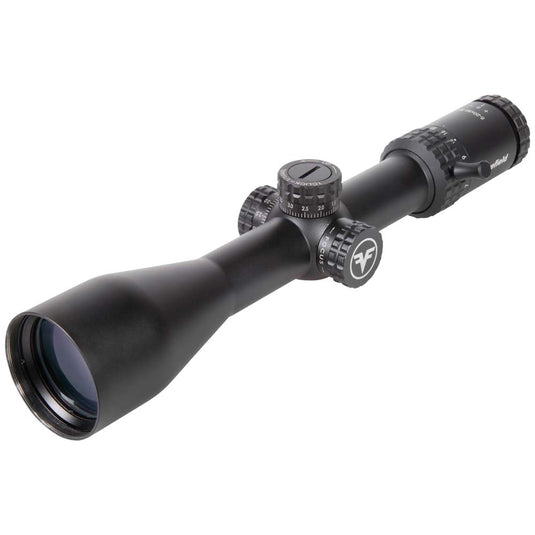
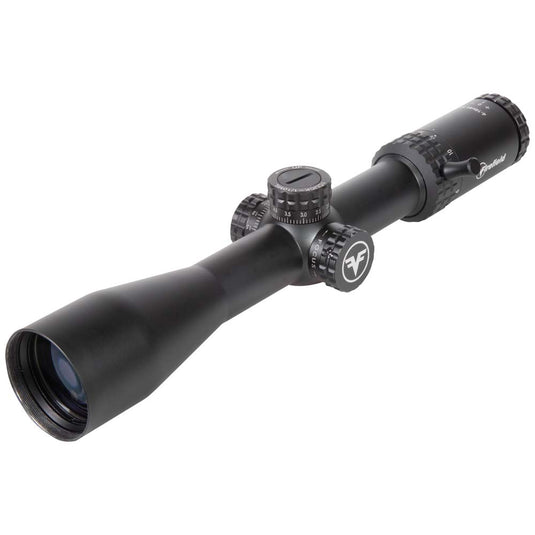
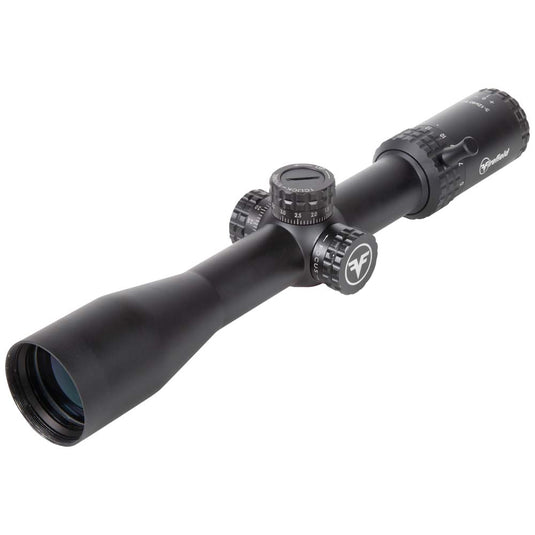
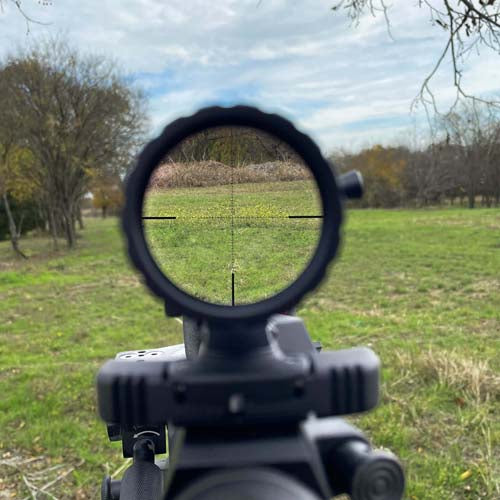
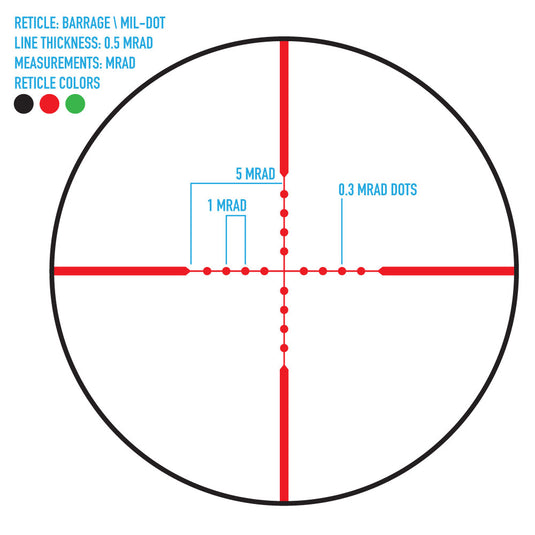
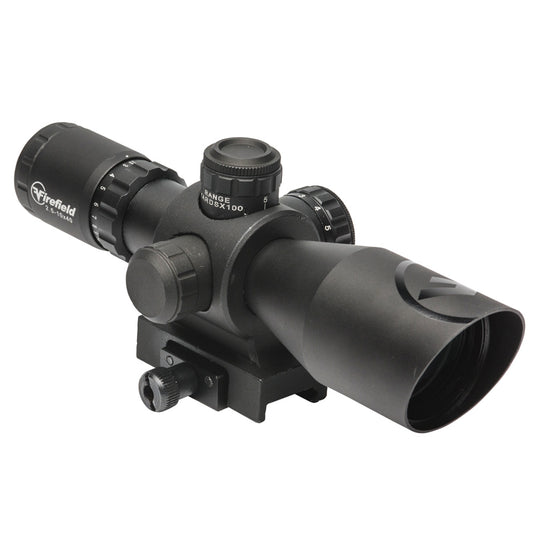
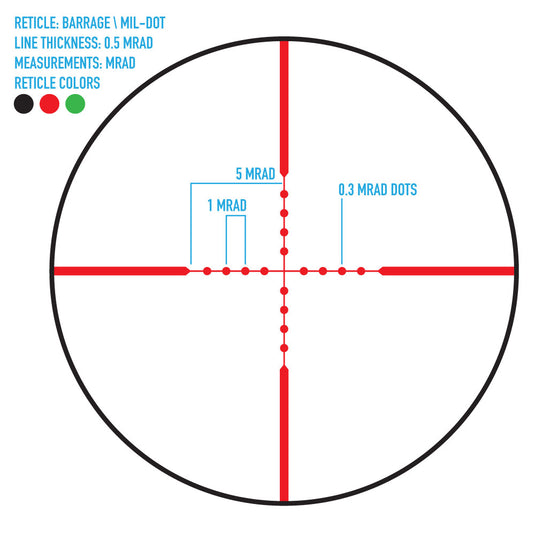
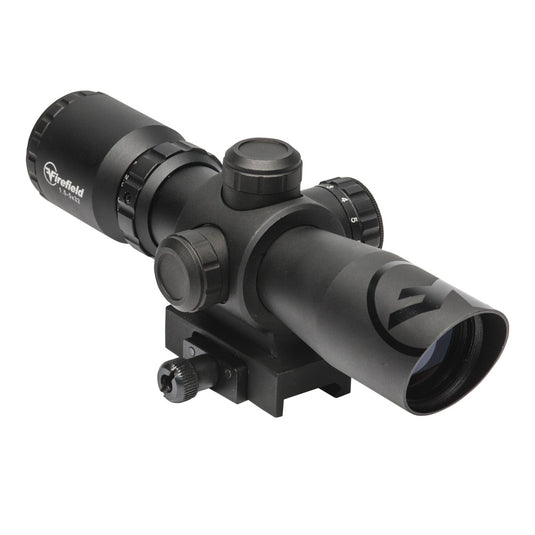
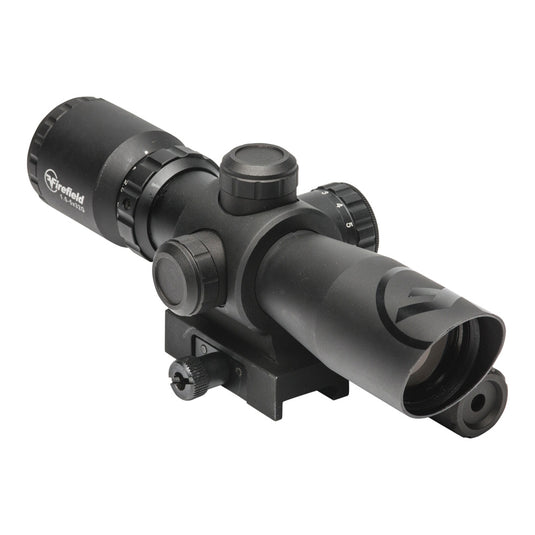
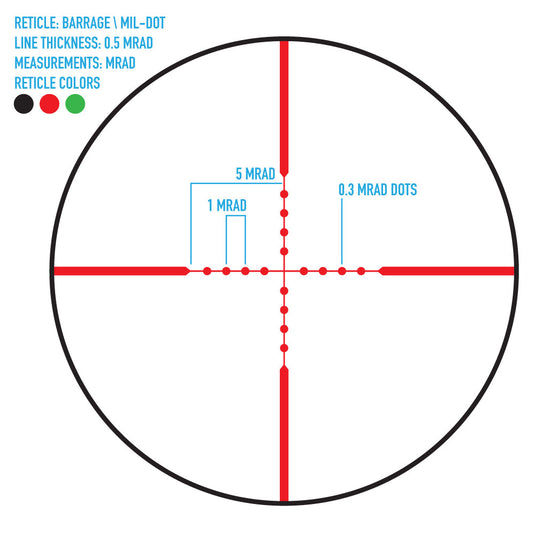
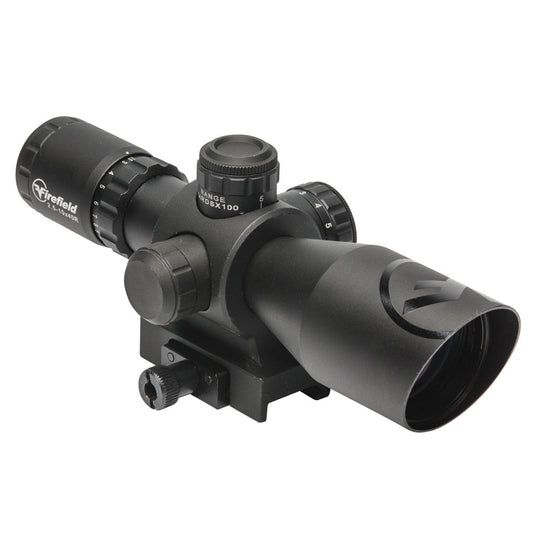
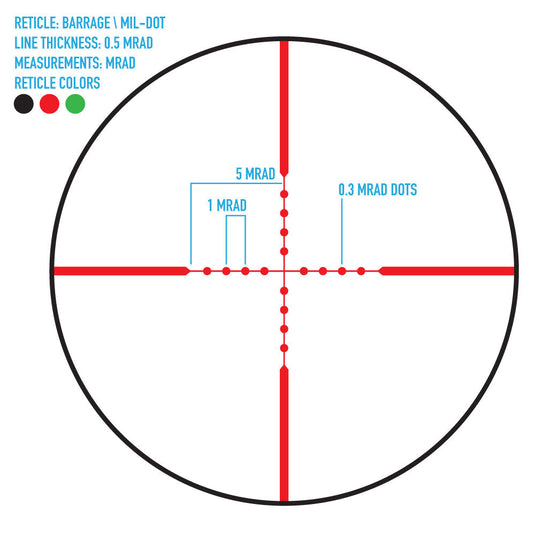
An LPVO, or low power variable optic, is a true riflescope that lets you adjust magnification, usually somewhere in the range of 1x up to 6x, 8x, or even 10x, depending on the model. Set at 1x, an LPVO behaves a lot like a red dot and works fine for close range shooting. Dial it up, and that same scope lets you make precise shots at distances where a red dot would leave you guessing. In that sense, LPVOs really are suitable for both close range work and longer range precision, which is exactly why so many shooters treat them as a do it all option for a general purpose AR-15.
The catch is that going from 1x to 6x or 10x is not instant. You have to physically grab the magnification ring and turn it, and doing that smoothly under stress takes practice and muscle memory that most shooters do not build overnight. A red dot never asks you to make that adjustment at all.
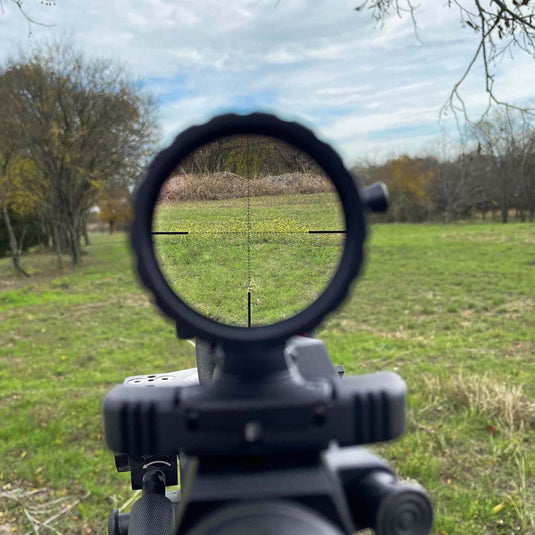
There is a second catch that trips up a lot of new LPVO owners. Because an LPVO is a true riflescope with a full optical system, you need a consistent cheek weld, meaning your cheek sits in the same spot on the stock every time, so your eye lines up correctly behind the lens. Get that alignment wrong, and you will run into scope shadow, which is the dark crescent shape that creeps into the edge of your sight picture when your eye is not centered behind the scope. It is your rifle's way of telling you that your head is not quite where it needs to be.
This cheek weld requirement matters most when you are shooting from awkward positions, like working around VTAC barriers. VTAC barriers are the angled barricade props, based on a design popularized by Viking Tactics, that show up at training courses and competitions to force shooters into odd shooting positions such as kneeling around a corner, shooting from a low port, or leaning off either shoulder. Shooting through one of these barriers with an LPVO is not impossible, but it is considerably more difficult than doing the same drill with a red dot, since you have to fight to maintain that precise cheek weld while your body is twisted into a position that was never designed for comfort. A red dot, by comparison, is far more forgiving of head position, since the dot is still usable even if your eye is not perfectly centered behind the lens.
Pros of an LPVO:
- Genuine versatility, covering both close range and distance shooting with one optic
- Precision capability that a red dot simply cannot match at range
- A strong choice for a do it all rifle used for hunting, competition, or defense
Cons of an LPVO:
- Heavier and pricier than most red dots
- Requires practice to transition smoothly between magnification levels
- Demands a consistent cheek weld, which makes awkward shooting positions harder to manage
- More glass and more moving parts means more that can go wrong
So Which One Should You Buy?
Honestly, there is no universally correct answer here, only the right tool for what you are actually doing. If your AR-15 lives near the front door for home defense, or you mostly shoot at ranges under 100 yards, a red dot will serve you well and keep things simple. If you want one rifle that can handle both a close range drill and a longer shot across a field, an LPVO earns its extra weight and cost by doing both jobs reasonably well.
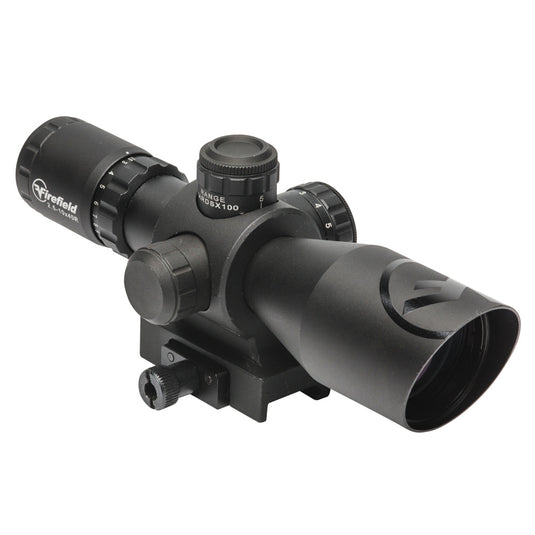
Whichever direction you lean, Firefield has you covered. Check out the Rapidstrike LPVO lineup if you want one optic that can do it all, or browse our full selection of red dot sights if speed and simplicity are what you are after.
Frequently Asked Questions
Is a red dot or LPVO better for an AR-15?
A red dot is usually better for close-range speed and simplicity, while an LPVO is better if you want one optic that can handle both close-range shooting and longer-range precision. The better choice depends on how you actually use your rifle.
What is the main advantage of a red dot sight?
The main advantage of a red dot sight is fast target acquisition. Since there is no magnification and no strict eye position requirement, a red dot is easy to use with both eyes open and works well for close-range shooting.
What is the main advantage of an LPVO?
The main advantage of an LPVO is versatility. At low magnification, it can work well for close-range shooting, and at higher magnification, it gives you better precision and target identification at distance.
Are red dots good past 100 yards?
Red dots can be used past 100 yards, but they become less ideal when you need precise shot placement or positive target identification. For longer shots, an LPVO usually gives the shooter a clearer advantage.
Why are LPVOs harder to use in awkward shooting positions?
LPVOs require a more consistent cheek weld and eye alignment than red dots. When shooting around barriers, from low ports, or from twisted positions, that eye alignment can be harder to maintain.
Which optic is better for home defense?
For home defense or most shooting inside 100 yards, a red dot is usually the simpler and faster option. It keeps the rifle light, gives a wide field of view, and does not require magnification adjustments under stress.