
How to Pick the Right Rifle Scope Magnification for Hunting vs. Tactic
More magnification is not automatically better. The right rifle scope gives you enough power for the distances you actually shoot without sacrificing speed, field of view or versatility.
One of the easiest mistakes to make when buying a rifle scope is assuming that more magnification is always better.
A 20x scope lets you see farther than a 6x scope, so it must be better, right? Not necessarily. Higher magnification also narrows your field of view, makes moving targets harder to track and can slow you down when something appears much closer than expected.
If you are wondering, "what magnification rifle scope do I need?" start with what you actually expect to do with the rifle.
For most AR and tactical-style shooting, start with 1-4x or 1-6x. For general deer and hog hunting, 2.5-10x covers a broad range of terrain. If you already prefer a red dot and only need magnification occasionally, consider adding a 3x magnifier.
The right amount of magnification is not the highest number you can afford. It is the range you can actually use.
How Rifle Scope Magnification Ranges Work
A scope marked 1-4x24 has three important numbers.
The first number, 1x, is its minimum magnification. At 1x, the target appears approximately the same size it does to your unaided eye.
The second number, 4x, is the maximum magnification. At 4x, the target appears four times larger than it does at 1x.
The final number, 24mm, is the diameter of the objective lens. It does not tell you how much the scope magnifies.
A 2.5-10x40 scope therefore begins at 2.5x magnification, reaches a maximum of 10x and uses a 40mm objective lens.
Fixed vs. Variable Magnification
A fixed-power optic has one magnification level. A 3x magnifier, for example, provides 3x magnification whenever it is positioned behind the primary optic.
Fixed magnification keeps things simple. There is no magnification ring to adjust, and the shooter gets a consistent magnified sight picture every time.
A variable-power riflescope lets you choose different magnification levels within its range. This becomes valuable when distances change. A hunter might keep a 2.5-10x scope near its lowest setting while moving through the woods, then increase the magnification after reaching a stand overlooking an open field.
Why Higher Magnification Is Not Always Better
Magnification comes with tradeoffs. As magnification increases, field of view usually decreases. You see more detail, but less of the area surrounding the target.
That can make it harder to locate an animal in the scope, follow something that is moving or transition between targets. High magnification also makes small movements of the rifle appear much more noticeable through the optic.
Practical Rule
Buy for your normal shooting distances, not your most extreme hypothetical shot. Magnification that rarely leaves its lowest setting is magnification you probably did not need.
What Magnification Is Best for Tactical and AR Use?
For most general-purpose AR-platform rifles, the useful question is not how much magnification you can get. It is how little magnification you can start with while still having enough at the top end for more distant targets.
That is why 1-4x and 1-6x LPVOs are so useful.
An LPVO, or Low Power Variable Optic, gives the shooter a low-end setting around 1x for close-range shooting while retaining several levels of magnification for more distant targets.
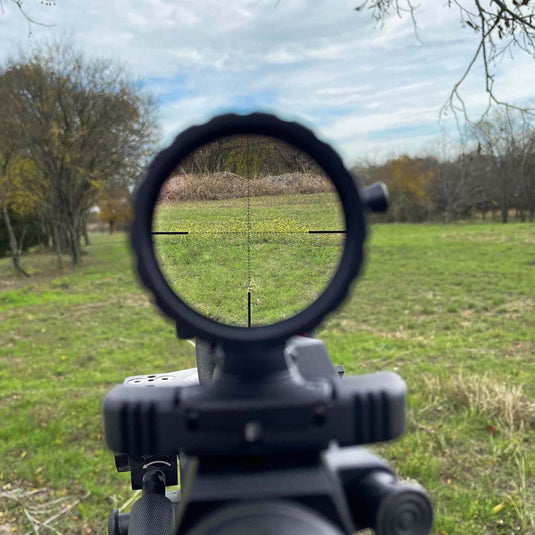
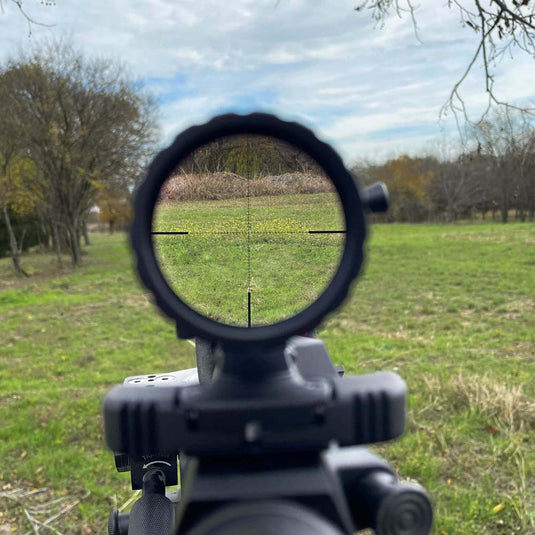
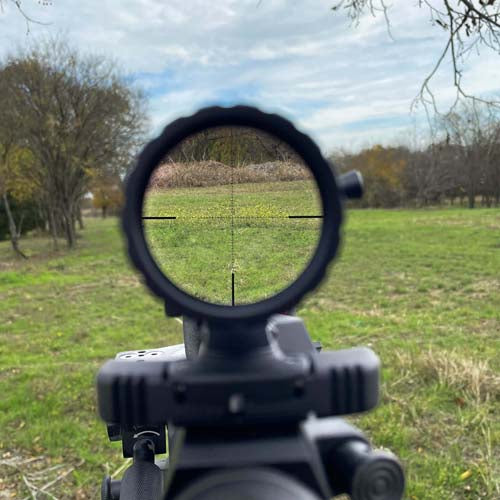
At 1x, the shooter gets a broad field of view and can use the optic much like an unmagnified sight. Turn the magnification up, and smaller or more distant targets become easier to see and aim at.
1-4x: Keep It Simple
A 1-4x optic is a strong choice when most shooting happens at relatively short distances.
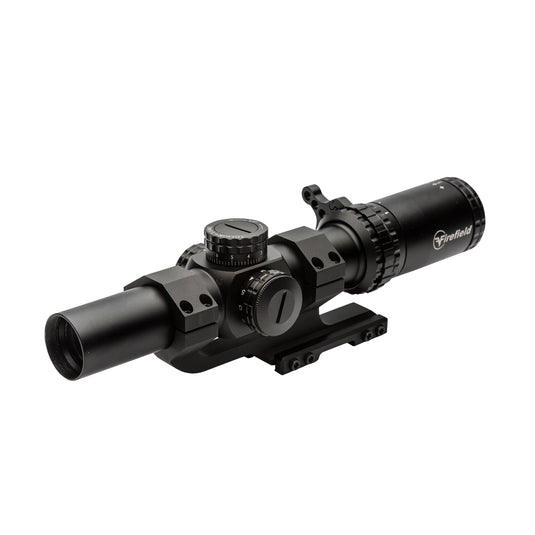
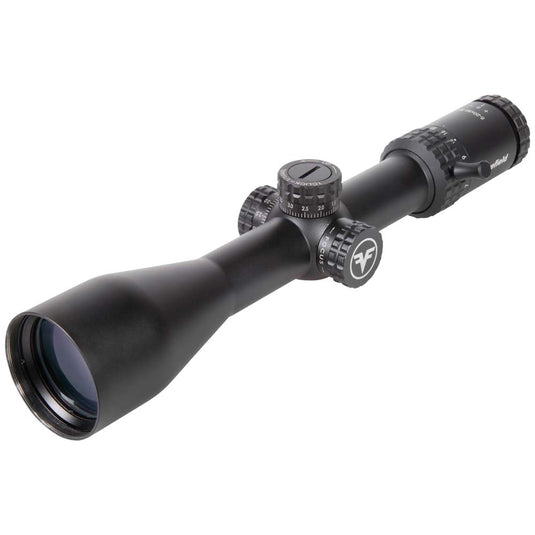
The Firefield RapidStrike 1-4x24 starts at 1x and reaches 4x, giving it enough range for close-to-medium-distance shooting without adding magnification that may never be used.
It is particularly well suited to shooters who value a wide sight picture and spend most of their range time working at short to moderate distances.
RapidStrike 1-4x24
A straightforward LPVO for shooters who prioritize a wide low-power view and practical magnification for closer to medium-range use.
1-6x: The General-Purpose Sweet Spot
Moving from 4x to 6x gives the shooter more room to work when targets become smaller or distances increase.
That makes a 1-6x optic one of the most versatile configurations for a general-purpose AR.
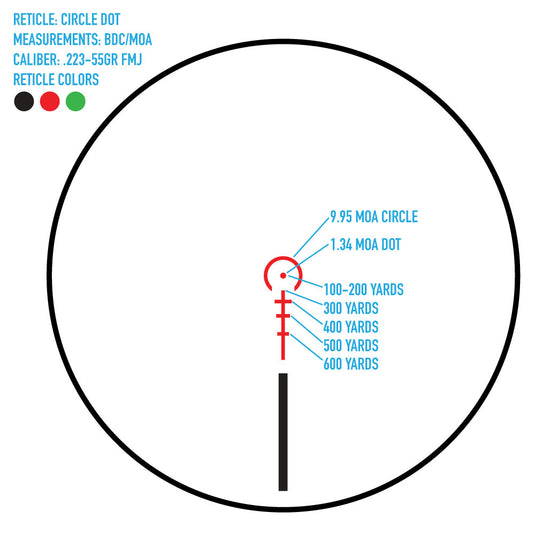
The Firefield RapidStrike 1-6x24 follows the same basic LPVO concept. Keep it at or near 1x when speed and field of view matter most, then increase magnification when the situation calls for a closer look.
A shooter who does not know exactly where an AR will be used will generally get more flexibility from 1-6x than from a fixed-power optic or a scope that begins at 3x or 4x.
RapidStrike 1-6x24
A versatile LPVO range for AR shooters who want a near-1x low end with additional magnification available for medium-range targets.
What Magnification Is Best for Hunting?
Hunting changes the equation because the environment has as much influence on the right scope as the rifle does.
A hunter sitting over several hundred yards of open pasture has different needs than someone moving through thick timber where an animal may appear much closer.
Choose hunting magnification based on terrain first and maximum theoretical shooting distance second.
Dense Woods and Brush
In wooded terrain, lower magnification matters.
An animal appearing close to your stand can be surprisingly difficult to find through a scope that has been left at high power. The narrow field of view shows you plenty of detail but very little surrounding terrain.
For that reason, hunters should generally keep a variable-power scope near its lower setting until they know they need more.
Open Fields, Ranches and Senderos
Open country gives higher magnification more room to work.
A deer standing across a pasture or a hog moving along the far end of a sendero may be small enough that additional magnification helps the shooter see more detail.
This is where a scope reaching 9x or 10x becomes especially useful.
You do not have to use all 10x just because it is available. In many situations, 4x, 5x or 6x may provide a better combination of detail and field of view. The higher setting remains available when you actually need it.
A Practical Hunting Range: 2.5-10x
For a lot of Southern hunting, a 2.5-10x scope lands in a useful middle ground.
Whitetail and hog hunters in Texas, Tennessee and Florida can encounter everything from thick woods and brush to agricultural fields, clearings, rights-of-way and open ranch country. There is no single normal shot distance that applies to all three states.
A hunter in thick Tennessee timber or a wooded section of Florida may rarely have a clear shot long enough to justify very high magnification. A hunter overlooking a Texas pasture or sendero may have substantially more distance available.
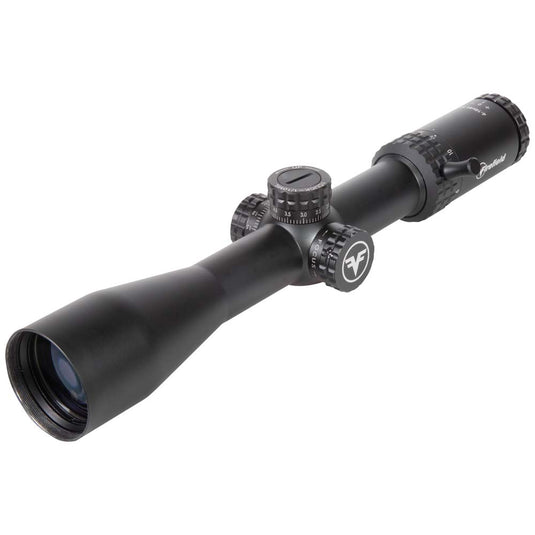
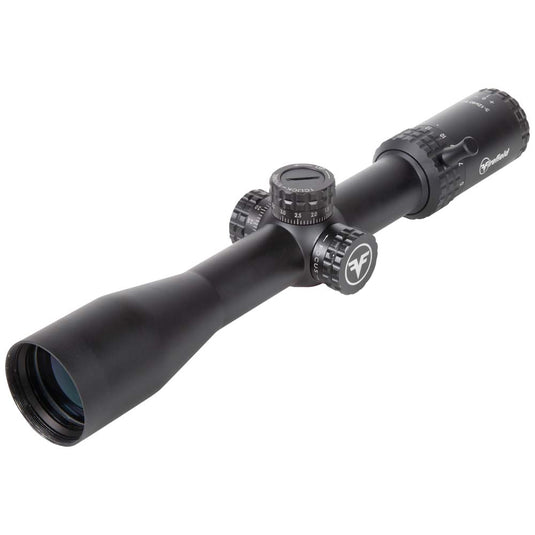
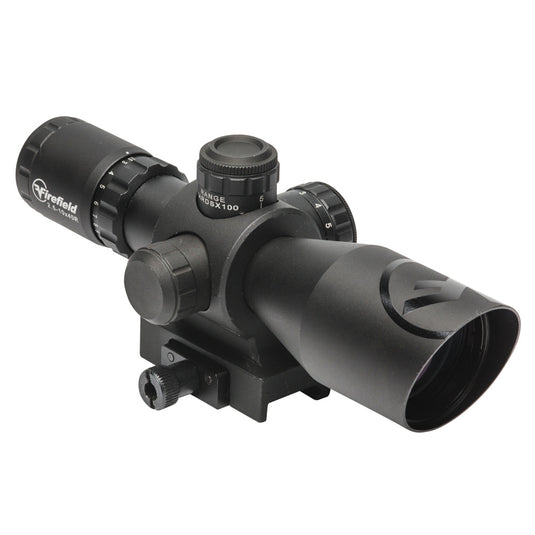
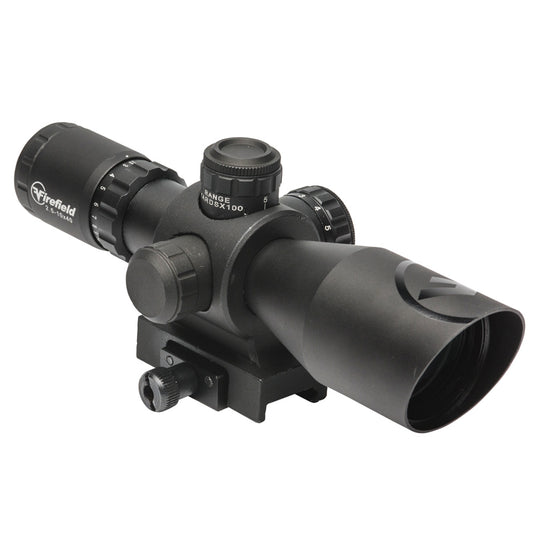
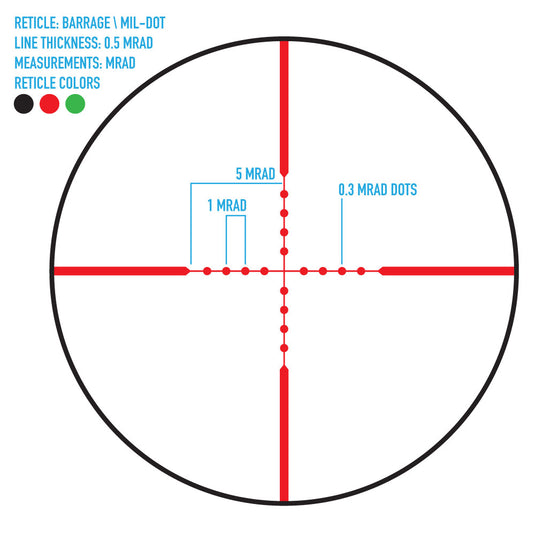
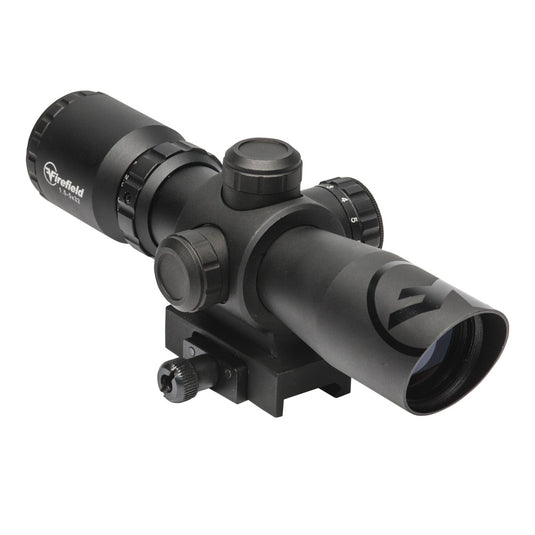
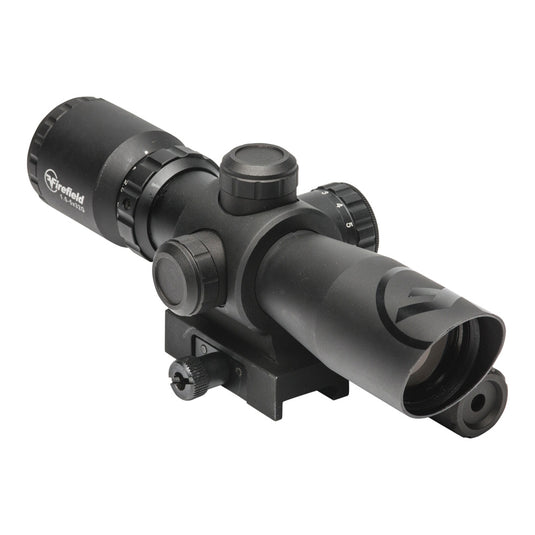
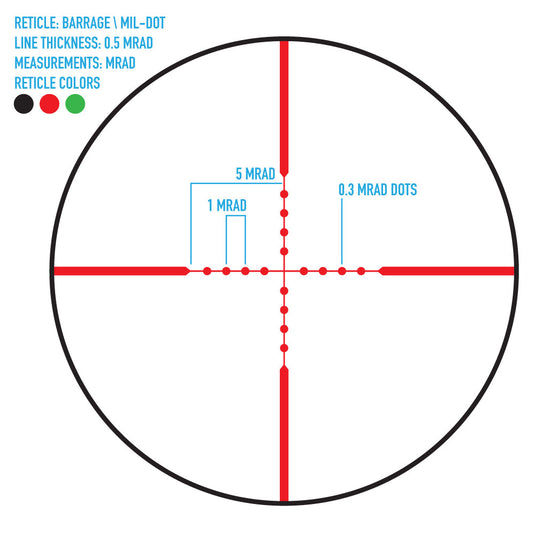
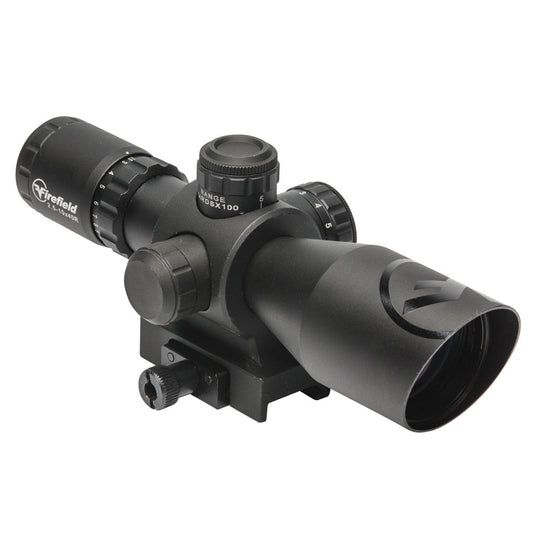
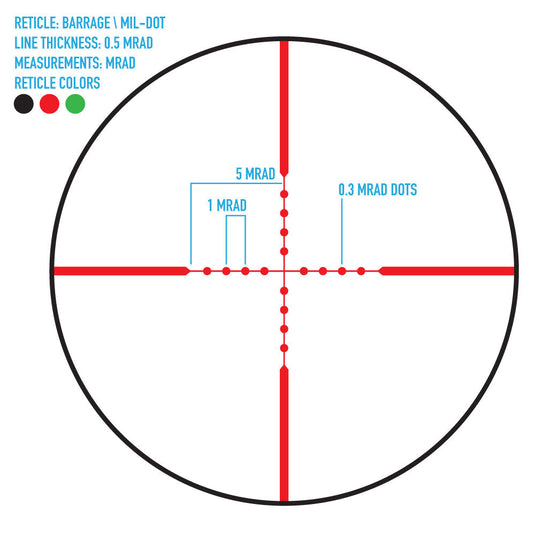
The Firefield Barrage 2.5-10x40 covers both ends of that spectrum. Its 2.5x low end remains practical when sightlines shrink, while 10x provides more magnification when the terrain opens up.
Barrage 2.5-10x40
A broad variable range suited to changing hunting terrain, from shorter wooded sightlines to more open fields and ranch country.
When Should You Add a Magnifier Instead?
There is another option for shooters who spend most of their time at close range: keep the red dot and add a magnifier.
A red dot and magnifier combination approaches the problem differently from an LPVO. Instead of adjusting continuously through a magnification range, you have two basic modes.
With the magnifier moved aside, you use the red dot normally at 1x. Swing the magnifier behind it, and you gain a fixed level of magnification.
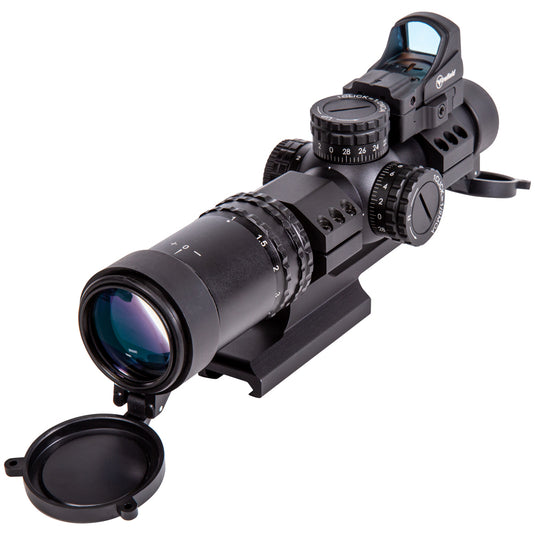
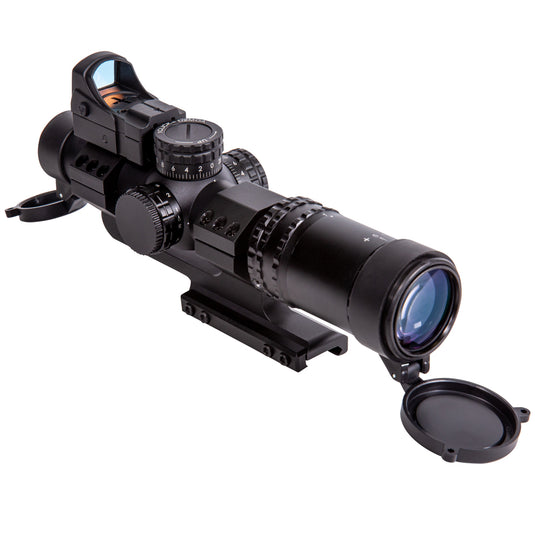
The Firefield Diverge 3X Magnifier uses this approach with a flip-to-side mount that lets the shooter move between an unmagnified red-dot sight picture and 3x magnification.
You regularly want multiple magnification settings and expect to use 4x, 5x or 6x rather than treating magnification as an occasional feature.
You want your red dot to remain the primary sight and only need additional magnification from time to time.
Diverge 3X Magnifier
Add fixed 3x magnification to a compatible red-dot setup, then move the magnifier aside when you want an unobstructed unmagnified sight picture.

Rifle Scope Magnification FAQ
What magnification rifle scope do I need for 100 yards?
You generally do not need high magnification for a 100-yard target. A 1-4x or 1-6x scope gives AR shooters plenty of flexibility at that distance, while hunters using a 2.5-10x scope can simply stay near the lower half of the magnification range.
Is a 1-6x scope enough for 300 yards?
A 1-6x LPVO can be useful at 300 yards when the target size, shooting position and conditions are appropriate. The main advantage is flexibility. The shooter still has a near-1x setting for closer targets while 6x provides a substantially more detailed sight picture farther downrange.
Is 10x too much magnification for deer hunting?
Not when 10x is the top end of a variable scope. A 2.5-10x scope lets the hunter stay at lower magnification in woods or brush and increase magnification when hunting more open terrain. The mistake is leaving the scope at maximum power when a closer shot is possible.
Should I get a 1-4x or 1-6x scope?
Choose 1-4x if most of your shooting is relatively close and you want a simple LPVO range. Choose 1-6x if you want more flexibility for smaller or more distant targets while retaining a low-power setting for closer work.
Is a red dot with a magnifier better than an LPVO?
It depends on which sight picture you use most. A red dot with a magnifier makes sense when the red dot is your primary sight and magnification is occasional. An LPVO makes more sense when you regularly want several magnification levels rather than simply switching between 1x and a fixed magnified view.
So, What Magnification Rifle Scope Do I Need?
Do not choose magnification based on the biggest number. Choose it based on the shortest and longest shots you realistically expect to take.
- Choose 1-4x or 1-6x for an AR or general-purpose rifle. You retain a wide field of view at low magnification while gaining additional power when targets are farther away.
- Choose roughly 2.5-10x for general deer and hog hunting. It provides useful flexibility for both wooded terrain and more open country.
- Choose a red dot and 3x magnifier if close-range use matters most. You can keep the red-dot sight picture you already prefer and add magnification only when you need it.
The best rifle scope is not the one with the most magnification. It is the one whose magnification range matches the distances, terrain and type of shooting your rifle will actually see.
Find the Right Firefield Optic
Choose an LPVO for flexible AR use, a broader variable scope for hunting, or add 3x capability to a red-dot setup.