
Can You Buy a Suppressor Now?
Disclaimer: The information provided in this article does not, and is not intended to, constitute legal advice. Laws and court orders can change quickly. Check the laws that apply where you live before buying, possessing or using a suppressor.
If you have been following gun news lately, you may have heard some version of this:
The NFA got struck down. Suppressors are deregulated. Go buy one.
Not quite.
A federal judge in Texas struck down key National Firearms Act registration and preapproval requirements for suppressors, short-barreled rifles and short-barreled shotguns after Congress reduced the federal making and transfer tax on those items to $0.
The injunction is now in effect for the people and businesses it covers. But it is not a nationwide repeal of the NFA, and it does not mean every American can walk into any gun store, buy a suppressor and walk out five minutes later.
So, can you buy a suppressor now?
Maybe. But before you reach for your wallet, you need to know whether the current court order actually covers you, whether suppressors are legal where you live and what rules still apply to the transfer.
And once you figure that out, there is another question that does not get nearly enough attention:
What are you supposed to do with the thing once you have it?
What Changed With Suppressors?
The National Firearms Act dates to 1934. For decades, buying or making a suppressor generally meant paying a $200 federal tax, registering the suppressor and waiting for ATF approval.
Congress changed one very important part of that system in 2025. Beginning January 1, 2026, the federal making and transfer tax on suppressors, short-barreled rifles, short-barreled shotguns and NFA-defined “any other weapons” dropped to $0. ATF later updated its regulations to reflect the new tax rate.
Then came the court fight.
U.S. District Judge James Wesley Hendrix ruled that the federal government could no longer justify certain registration and approval requirements as tools for collecting a tax when the tax itself raises no money.
That is a major change.
It is not, however, a free-for-all.
The Gun Control Act still exists. State law still exists. Dealer requirements still exist. And the federal government can still appeal the ruling. Federal appellate rules generally give the government 60 days to appeal a civil judgment when the United States or one of its agencies is a party.
If you are not sure whether the injunction covers you, a particular dealer or a particular transaction, do not assume that it does.
So, Can I Buy a Suppressor?
Suppressors are legal for civilian ownership in many states, but this federal court ruling does not override state law.
That means your first question should not be, “How cheap can I get one?”
It should be:
“Can I legally own one where I live, and what process applies to me right now?”
If the current injunction does not cover you or your transaction, the traditional federal process may still apply. If the injunction does cover you, other federal dealer requirements and state laws may still apply.
In other words, the answer to “Can I buy a suppressor now?” is not one universal yes or no.
It depends on where you live, who you are buying from and whether the current injunction covers the transaction.
Once you have that sorted out, we can get to the more fun part.
I Got a Suppressor. Now What?
Congratulations. You now own a metal tube that makes shooting substantially more pleasant and immediately introduces several new things you need to think about.
You do not need to be an armorer. You do not need a $4,000 rifle. And you do not need to replace everything you own with some guy's clone-correct Instagram build.
You do, however, need to make sure the suppressor, firearm and ammunition actually work together.
1. Make Sure the Suppressor Fits Your Gun
This sounds obvious right up until you discover that “threaded barrel” does not mean “every suppressor screws onto it.”
You need to know at least three things:
-
What caliber is the suppressor rated for?
-
What thread pitch or mounting system does your firearm use?
-
Does the suppressor require a particular mount, muzzle device, piston or adapter?
Suppressor manufacturers publish compatibility information for a reason. Even firearms chambered for the same cartridge can use different thread pitches, and different suppressors may use direct-thread, quick-detach or other mounting systems.
Check the manuals for both the firearm and suppressor before buying adapters.
The cheapest suppressor on the shelf stops being cheap pretty quickly if you discover afterward that you also need a threaded barrel, proprietary muzzle device and two adapters.
2. Budget for the Whole Setup, Not Just the Suppressor
This is where first-time buyers get ambushed.
The suppressor itself is only one part of the cost.
Depending on your firearm and the suppressor you choose, you might also need:
-
A threaded barrel
-
A muzzle device
-
A direct-thread adapter
-
A quick-detach mount
-
A pistol piston
-
Suppressor-height pistol sights
-
A different handguard or other clearance solution
-
A suppressor cover
-
Different ammunition
You may need none of those things.
You may need several.
Figure out the entire setup before deciding whether a suppressor is actually within your budget.
A $500 can that needs half your rifle replaced to use it is not necessarily a better deal than a more expensive suppressor that works with equipment you already own.
Do I Need a New Gun to Use a Suppressor?
Probably not.
If you already own a firearm with a suitable threaded barrel, there is a good chance there is a suppressor or mounting system made for it.
Rimfire rifles and pistols are particularly common suppressor hosts. Threaded centerfire rifles are everywhere. Suppressor-ready pistols commonly include threaded barrels from the factory.
The important word is compatible.
A suppressor being rated for your caliber does not automatically mean it is ready to mount directly to your firearm.
Check before buying.
Your bank account will appreciate it.
3. Check Your Zero Again
You mounted the suppressor. Everything is secure. Time to go shooting.
Before assuming your rifle is still hitting exactly where it did before, confirm your zero.
Adding weight and length at the muzzle can affect barrel harmonics and can produce a point-of-impact change. Suppressor and firearm manufacturer SilencerCo recommends confirming zero with the suppressor installed rather than assuming an unsuppressed zero will remain identical.
That does not mean your rifle has suddenly become inaccurate.
It means you changed something attached to the barrel.
Shoot a group. See where it lands. Adjust your optic if necessary.
This is especially important if the rifle is used for hunting or any situation where the first shot matters.
4. No, It Will Not Sound Like a Movie Silencer
Suppressors make guns quieter.
They do not make guns silent.
There are several sources of noise when a firearm is fired. A suppressor primarily reduces the muzzle blast. If the bullet is traveling faster than the speed of sound, it also produces a supersonic crack that the suppressor cannot eliminate.
Government-backed hearing research has found that suppressors can substantially reduce firearm noise exposure, but suppressed gunfire can still present a meaningful hearing risk. NIOSH recommends continued hearing protection during shooting.
So even after buying a suppressor, keep your ear protection.
Think of the suppressor as another layer of hearing protection, not permission to throw your earmuffs in the trash.
5. Do I Need Subsonic Ammo?
No.
A suppressor works with compatible supersonic ammunition too.
But ammunition changes what you hear.
Supersonic bullets create a sonic crack as they travel through the air. Subsonic ammunition stays below the speed of sound and therefore avoids that particular source of noise. NIOSH testing found greater overall sound reduction with low-velocity ammunition in several suppressed firearm combinations because the supersonic shockwave was absent.
That does not mean subsonic ammunition is automatically better for every gun or every job.
Different ammunition can produce different trajectories, cycling behavior and terminal performance. Use ammunition appropriate for your firearm and intended use.
The important beginner lesson is simpler:
You do not have to buy special “suppressor ammo” just because you bought a suppressor.
6. The Suppressor Gets Hot. Really Hot.
This may be the most important lesson nobody learns from movies.
Suppressors get hot very quickly.
They trap and redirect high-temperature propellant gases. The more rapidly you shoot, the faster heat builds. Manufacturers warn that suppressors can become hot enough to cause serious burns after relatively short strings of fire.
So when you finish shooting:
Do not immediately grab the suppressor.
Also think before setting the rifle on a plastic case, dropping it against a nylon range bag or stuffing it into foam.
Give it time to cool.
A suppressor cover can help protect against accidental contact and can reduce heat mirage through an optic, but covers themselves have temperature limits and can also retain heat. Follow the suppressor and cover manufacturers' instructions.
7. Does a Suppressor Need to Be Cleaned?
Sometimes.
This is another area where one-size-fits-all advice gets people into trouble.
Some centerfire rifle suppressors need relatively little routine cleaning. Rimfire suppressors tend to accumulate much more carbon and lead fouling and may require regular disassembly and cleaning. Some suppressors are user-serviceable. Others are welded shut and should not be taken apart.
SilencerCo, for example, recommends checking the specific suppressor manual because cleaning schedules and approved methods vary significantly by design and caliber.
That gives us the easiest maintenance rule in the entire article:
Read the manual.
Do not dump a suppressor into whatever chemical bath somebody recommended on a forum because “it worked for his.”
Different suppressors use different metals, coatings, seals and construction methods.
Does a Suppressor Change How My Rifle Handles?
Absolutely.
Even a relatively light suppressor puts additional length and weight at the far end of your barrel, where you notice it the most.
A compact rifle may suddenly feel longer than expected. A lightweight hunting rifle may become noticeably muzzle-heavy. A firearm that fit neatly inside a case may no longer fit with the suppressor attached.
None of those things make suppressors bad.
They are just tradeoffs.
This is another reason to think about the host firearm before buying the suppressor. A short, lightweight suppressor may make more sense on one rifle while a larger model may make more sense on another.
Buy for the gun you actually own and the shooting you actually do.
Not the gun you saw on YouTube at 2 a.m.
What Should a First-Time Suppressor Owner Actually Buy?
Before adding a pile of accessories to your cart, start with the basics.
You need a legal suppressor that is compatible with your firearm, the correct mounting hardware and ammunition appropriate for the gun.
You should already have eye and ear protection.
After that, shoot the setup.
You may discover you want a suppressor cover. You may decide a different optic setup works better with the added weight. You might want another mounting option so the suppressor can move between compatible firearms.
But you do not need to solve every theoretical problem before your first trip to the range.
Get the basic setup right first.
Then spend money based on problems you actually have.
That approach works surprisingly well for almost everything involving firearms.
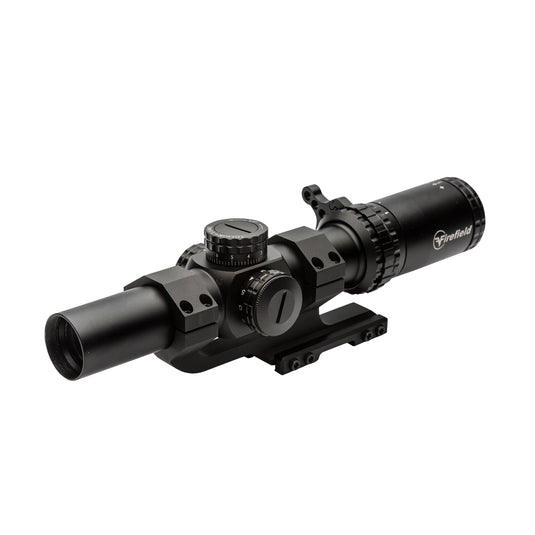
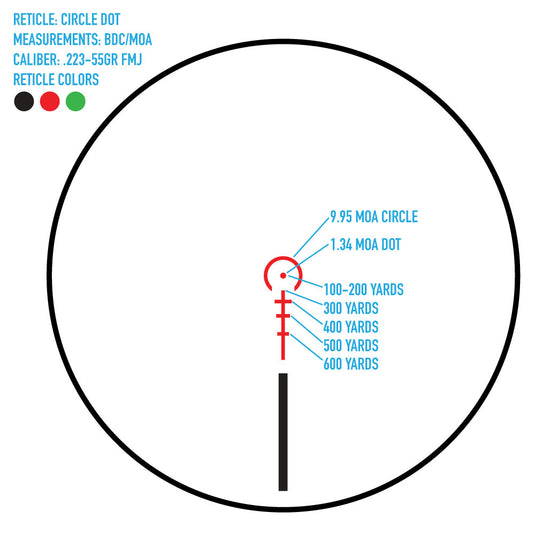
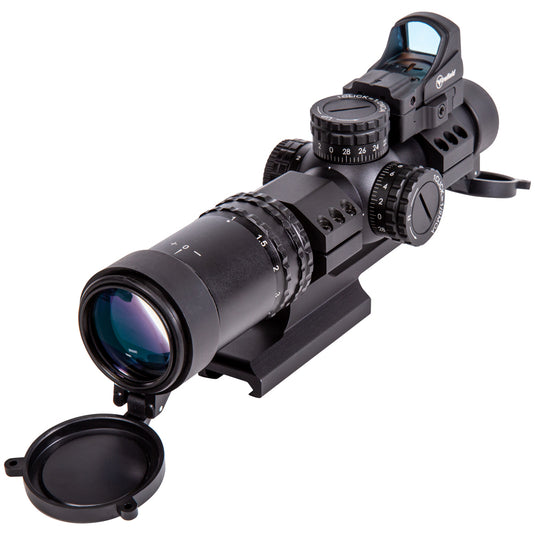
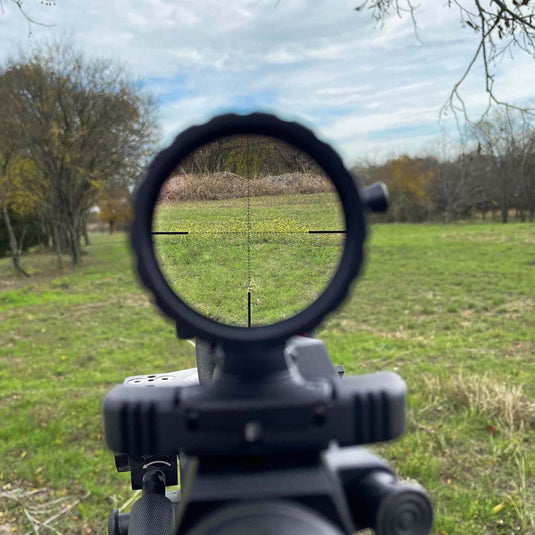
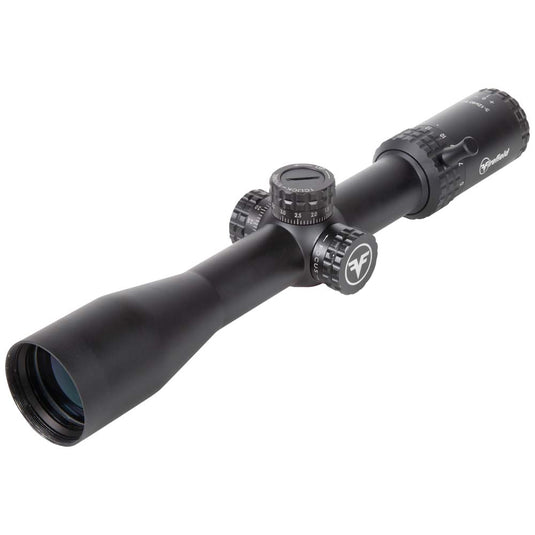
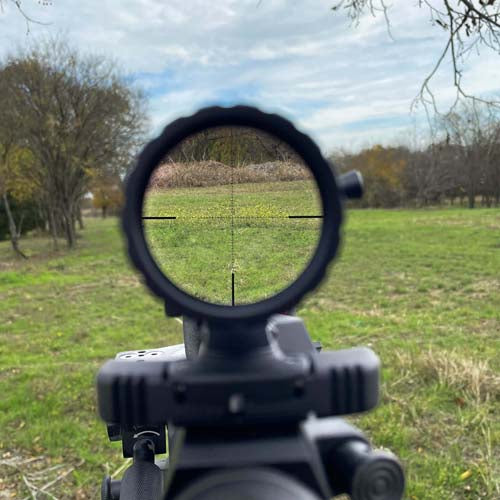
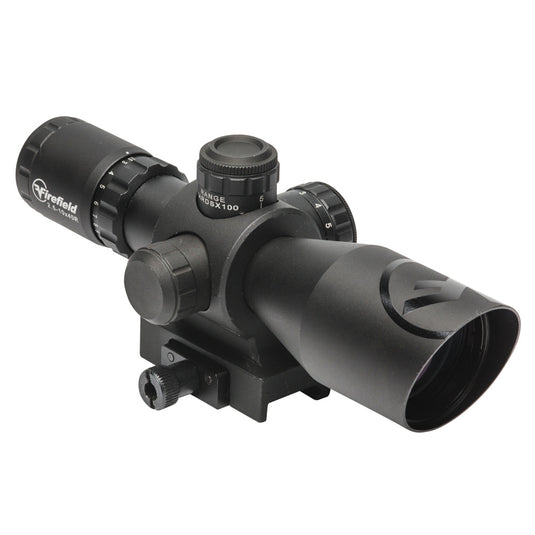
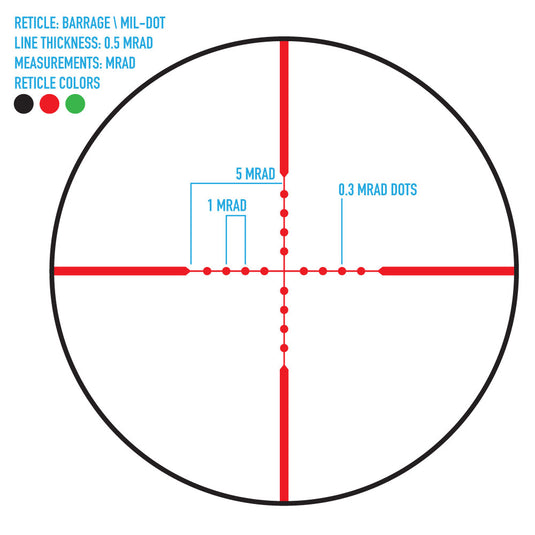
What About My Optic?
A suppressor does not require a special “suppressor optic.”
Use the optic appropriate for the firearm and the way you shoot.
The important thing is to confirm zero after changing the rifle's muzzle setup.
If you remove and reinstall the suppressor regularly, periodically verify that your point of impact remains where you expect it to be.
That matters whether your optic costs $100 or $1,000.
Steel does not care what your credit score is.
The Bottom Line
The suppressor market may be entering one of the biggest periods of change since the National Firearms Act was passed in 1934.
But “the NFA got struck down” is not the same thing as “there are no rules anymore.”
The current federal injunction does not automatically cover every gun owner or every suppressor transaction. State laws still matter. Other federal firearm laws still matter. And the federal government still has legal options to challenge the ruling.
If you determine that you can legally buy a suppressor, do a little homework before you spend the money.
Make sure it fits your firearm. Budget for the entire setup. Confirm your zero. Keep using hearing protection. Respect the heat. Follow the manufacturer's maintenance instructions.
You do not need the most expensive suppressor, rifle, mount, ammo and optic on the internet.
You need a setup that is legal, compatible, reliable and appropriate for what you actually shoot.
That is a much better place to start.
Frequently Asked Questions
Can I buy a suppressor now?
Maybe. The current federal court ruling does not automatically apply to every gun owner or suppressor transaction. Whether you can legally buy a suppressor depends on where you live, who you are buying from and whether the current injunction covers the transaction. State laws and other federal firearm requirements may still apply.
Did the court ruling completely repeal the NFA?
No. The ruling struck down certain National Firearms Act registration and preapproval requirements for the people and businesses covered by the injunction after the federal making and transfer tax on suppressors and certain other NFA firearms was reduced to $0. It did not repeal the entire NFA nationwide.
Do I need a new gun to use a suppressor?
Probably not. If your firearm has a suitable threaded barrel, there may already be a compatible suppressor or mounting system available for it. However, caliber compatibility alone does not guarantee that a suppressor will mount directly to your firearm, so check the firearm and suppressor manufacturers' specifications before buying.
Do I need subsonic ammunition with a suppressor?
No. Suppressors can work with compatible supersonic ammunition. Subsonic ammunition can make a suppressed firearm quieter by eliminating the supersonic crack produced by bullets traveling faster than the speed of sound, but it is not required for every suppressed firearm or shooting application.
Do I still need hearing protection when shooting suppressed?
Yes. A suppressor reduces muzzle blast, but it does not make a firearm silent. Suppressed gunfire can still reach potentially harmful sound levels, so eye and ear protection should continue to be used when shooting.
Should I re-zero my optic after installing a suppressor?
Yes. Adding a suppressor changes the weight and configuration at the muzzle and may cause a point-of-impact shift. After installing a suppressor, shoot a group and confirm your zero before relying on the firearm for hunting or another situation where shot placement matters.
How hot does a suppressor get?
Suppressors can become extremely hot after relatively short strings of fire because they trap and redirect high-temperature propellant gases. Do not grab a suppressor immediately after shooting, and avoid placing a hot suppressor against plastic, nylon, foam or other materials that heat could damage.
Does a suppressor need to be cleaned?
It depends on the suppressor. Rimfire suppressors often accumulate substantial carbon and lead fouling and may require regular cleaning, while some centerfire rifle suppressors require much less routine maintenance. Follow the cleaning schedule and methods specified by the suppressor manufacturer.
Does a suppressor change how a rifle handles?
Yes. A suppressor adds length and weight to the muzzle, which can make a firearm feel longer or more muzzle-heavy. The amount of difference depends on the suppressor and host firearm, so size and weight should be considered when choosing a suppressor.
What does a first-time suppressor owner actually need?
Start with a legal suppressor that is compatible with your firearm, the correct mounting hardware, appropriate ammunition and proper eye and ear protection. Additional accessories such as suppressor covers, alternate mounts or different optics should be purchased based on problems or needs you actually encounter while using the setup.